Tomorrow is Patriot’s Day in Massachusetts. It’s a day to celebrate American Victory in the Revolutionary war. It’s the day that Bostonians host one of the most difficult to enter marathons, and reenact the Battles of Lexington and Concord. Three years ago, it was the day of the Boston Bombing.
Always around this time of year, I think about Boston and it’s intense devotion to tradition. It is a city that has based itself on a strong identity that is steeped in history. That snowballs into how Americans see themselves in a similar way, and how that is understood through photography. Ever since it was imported from Europe in the early 1840s, it has captured us in such detail.
It is a primary source like no other. Where there are holes in the historic record, photography gives the needed information. Where garments have been destroyed by reuse or neglect we have a photograph that tells us what women wore. Where architecture disappears into new buildings and events pass by unwritten, we have photographs.
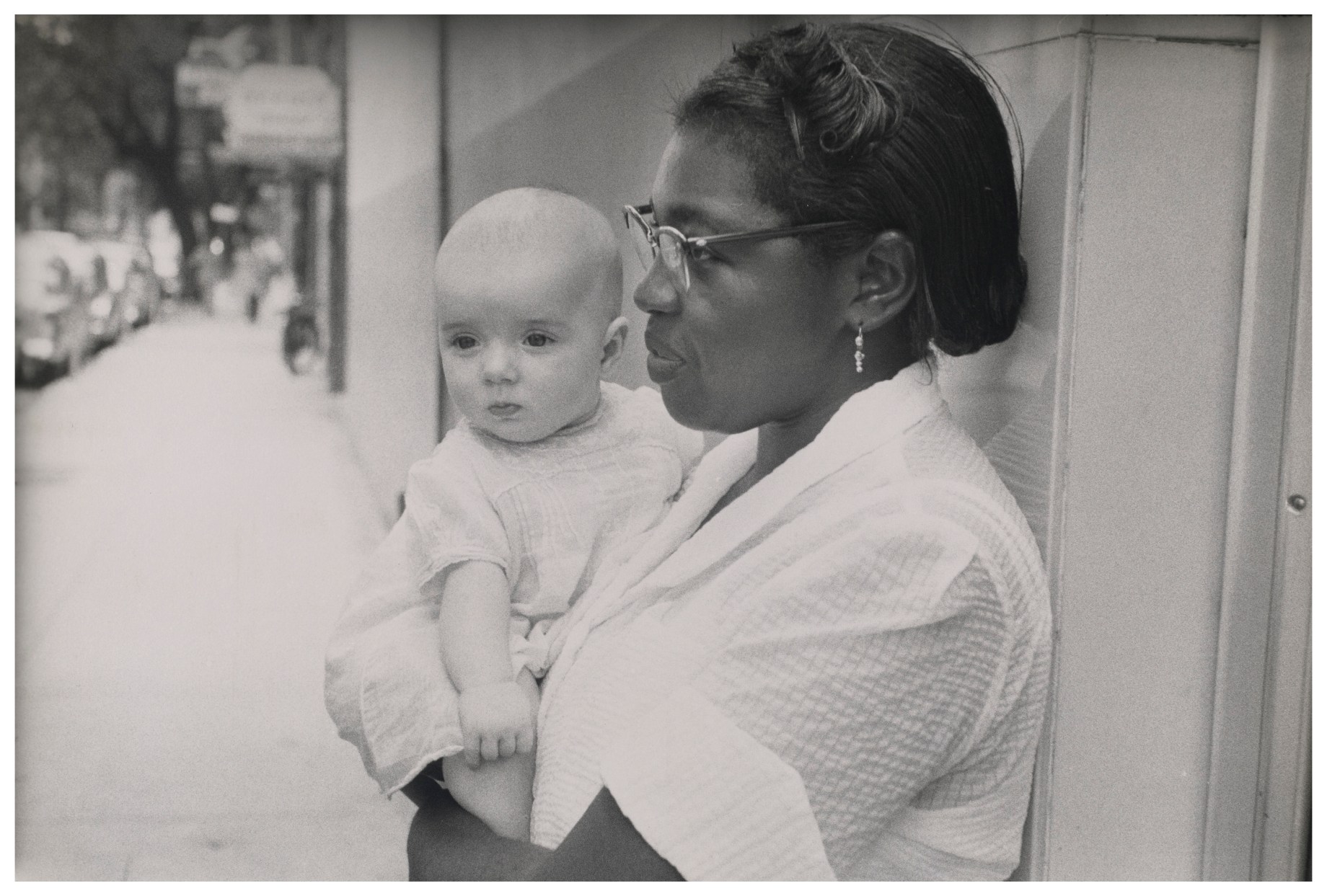
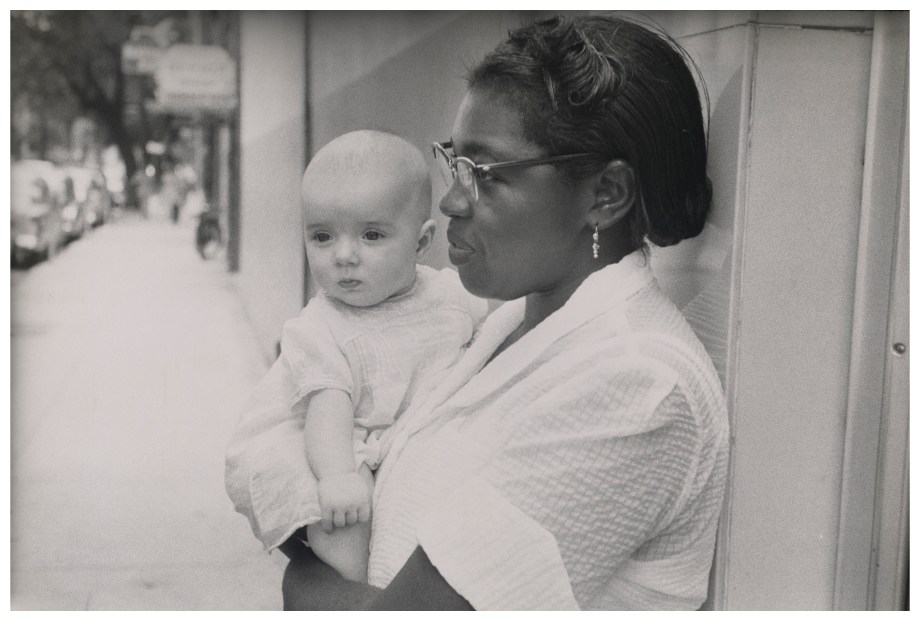
Yet, for all my love, I cannot be blind to the problems in photography. This medium reproduces the social problems that marginalized and abused people. Black people are photographed as props to their slave owner or employer’s children, women are photographed for their wedding as part of a financial deal, poor people don’t exist. Chinese immigrants are captured in documents about the railroads that killed and nearly enslaved them. Queer relationships are almost never seen, or are heavily coded. To top it off, these groups also were rarely behind the camera.
All of this obscures the reality of how problematic and frankly horrible the United States has been to most of its population throughout its history. Yet, with a careful eye and research we can reveal the truth and ignored stored. A black woman sitting with a child could in fact be the mother, or sister of the child. Women can be found at work, including at lumberyards. Those records of Chinese railroad workers could be the only record of the intensity and indignity of their labor so that we can move past it today. Queer relationships can be finally understood as something different from today’s relationship.
Our photographs will someday become part of this narrative that reveals and limits understanding. In thinking about this weekend, the photographs from the bombing will be how that day is remembered. The cameras that captured the incident also were a crucial part of how the bombers were caught. It was a video camera (impossible without the invention of photography) that captured one of the brothers putting the explosive backpack into the garbage can. It broke the case in many ways, and allowed the police to bring the city back to safety.
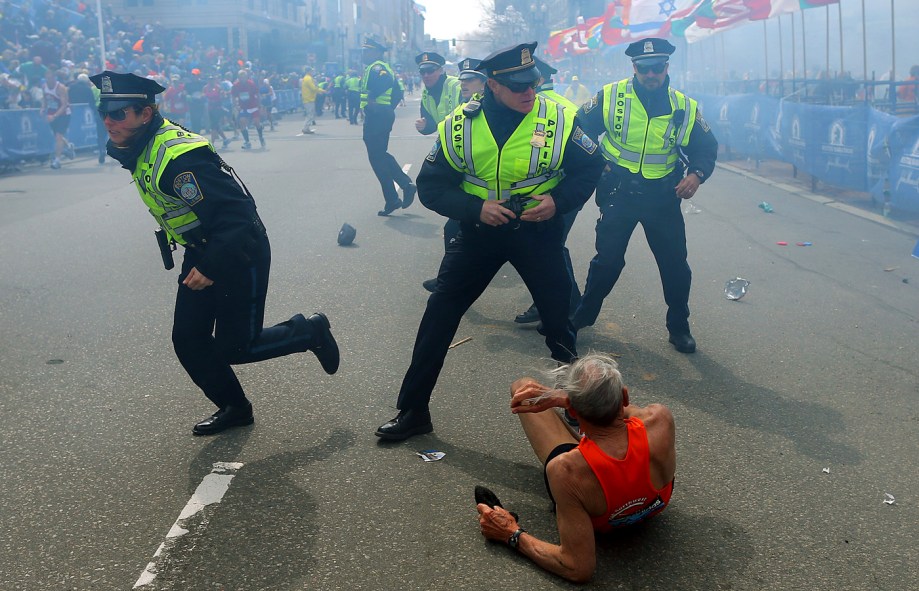
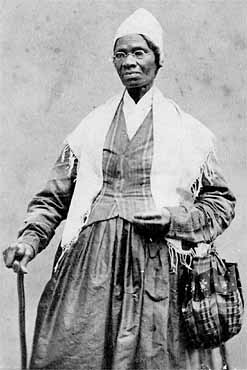
These images are how we remember. Though a written record gives context, history comes alive when we look at photography. Images of Sojourner Truth will stand alongside of the runner knocked down by the explosion at the Boston Bombing as key moments in American history. The newspapers will give the details, but when we think about the past, we think in images and not words.
Yet, we cannot just tell the stories of the wealthy, male, or white people. We need to always look for the reality, and to yell it from the tops of building. The US wouldn’t be what it is today without those people who did not get sit for photographs. We owe them that small bit of recognition for the work they did to get us where we are.
 The Female Gaze
‘Yet, for all my love, I cannot be blind to the problems in photography. This medium reproduces the social problems that marginalized and abused people. Black people are photographed as props to their slave owner or employer’s children, … this photo is not about prejudice but about reality in America. Nothing has changed since this photo was taken in 1955. Apart from that I can only underline what Mary Ellen Mark had to say about his image from THE AMERICANS by Robert Frank when TIME Magzine asked photograhers in 2017 which photo they liked best in Franks book. And ‘Yes’ some important issues have to be brought up over and over again and I think photography is quite a unique medium to use since that one moment ist standing still in a world of moving images. Still more than valid this image.
”I totally disagree and I can go along with what Mary Ellen Mark wrote on this photo when TIME asked photographers on their favourite image from THE AMERICANS by Robert Frank. ‘This photograph captures the essence of racism and servitude in America for all time. The contrast between the expression of cold entitlement on the very white baby’s face and the calm resignation of the black nurse who is holding her only amplifies the great difference in their skin color and positions in life. In the original printing of “The Americans,” the content in this photograph is enhanced by the blown-out whiteness of everything in the frame except the black nurse’s face. When I first saw this photograph, as a young woman who wanted to be a documentary photographer, I recognized the power that great emotional content in photography could have. This is a great photograph that still inspires me because it is the quintessential photographic statement about race and class in this country”.— Mary Ellen Mark
https://www.newyorker.com/culture/photo-booth/eight-photographers-on-their-favorite-image-from-robert-franks-the-americans
LikeLike
”Queer relationships are almost never seen, or are heavily coded. To top it off, these groups also were rarely behind the camera.”
You could check the works of Diane Arbus, Nan Goldin or Collier Schorr each one of them a master of photography and familiar with the subject you describe.
LikeLike